Birding Holidays - Be On The Road | Live your Travel Dream!
none

Sunday, June 28, 2020

Arunachal’s Eaglenest Wildlife Sanctuary: Birdwatcher’s Paradise in the Himalayas

White Tailed Nuthatch at Eaglenest Wildlife Sanctuary, Arunachal Pradesh, India

It is one of India’s best birding hotspots. It is an integral part of the elephant corridor in the Eastern Himalayas. One can see the most surreal sunrises of the Eastern Himalayas here. I am talking about the extremely off-beat and hidden Eaglenest Wildlife Sanctuary that is located in the Himalayan foothills of West Kameng district, Arunachal Pradesh.

Jeep track inside Eaglenest Wildlife Sanctuary

Made up of sub-tropical forests, evergreen forests and bamboo forests, shrubs and thickets, the beauty of Eaglenest Wildlife Sanctuary lies in its wide altitude range (500 m to 3,250 metres). This diversity in altitude range gives birth to a wide variety of flora and which in turn attracts many birds, herpetofauna, mammals and butterflies. A part of the Kameng Elephant reserve, it conjoins Sessa Orchid sanctuary to the north-east and Pakhui Tiger Reserve across the Kameng river to the east.

Stripe Throated Yuhina at Eaglenest Wildlife Sanctuary, Arunachal Pradesh

It’s call to fame was a new bird species that was discovered here in 2006 by amateur birder and astrophysicist Ramana Athreya. This bird was named Bugun liocichla after the Bugun community that lives in this forest. But, for me, Eaglenest is more than just one bird. To me, it is surreal Himalayan sunrises, pristine Himalayan forests, colorful small birds, vibrant butterflies, giant flying squirrels, stories of marauding elephants and plenty of birding walks through bamboo thickets and forests.

Rufous Vented Yuhina at Eaglenest Wildlife Sanctuary

With at least 454 species of birds here, birding is the major attraction here. If you are patient, you will spot birds that you will not come across anywhere in India except in the color palettes of birding books. Nuthatches, Pittas, Yuhinas, Milnas, Trogons and Sibias give you company as you make your daily walk through this forest. In addition to these small bird species, Eaglenest has the unique distinction of having three tragopan species. If you are lucky, you will spot giant flying squirrels, Arunachal Macaques, Gaurs and Elephants during your birding expeditions.

Changing colors with changing seasons at Eaglenest Wildlife Sanctuary

Apart from birding, one can study butterflies here, see rhododendrons during the spring season, see the vibrant fall colours in November, enjoy waking up to the sun rising over the snow capped mountains of the Himalayas or huddle around the campfire on chilly nights while listening to the stories of the land.

Stripe Throated Yuhina at Eaglenest Wildlife Sanctuary, Arunachal Pradesh

Eaglenest Wildlife Sanctuary is an absolute joy to the senses and a treat to the eyes. It doesn’t matter whether you are a birdwatcher, wildlife enthusiast, herpetologist, lepidopterist or a simple nature enthusiast, this remote wildlife sanctuary of Arunachal Pradesh will blow your mind with its riches. I recommend it with many thumbs up!

Sunrise over the Eastern Himalayas

How to get inner line permit for Arunachal Pradesh:

If you have made prior bookings at either of the campsites at Eaglenest, they will help you get the inner line permit.

If you wish to get the permit on your own, you can either apply online at the government website or visit in-person to the Deputy Commissioner’s office at any of these cities - Delhi, Kolkata, Guwahati, Shillong, Tezpur, Dibrugarh, North Lakhimpur, Jorhat and in the capitals of other NE states.

Sharp shot of Chestnut Tailed Milna at Eaglenest Wildlife Sanctuary, Arunachal Pradesh, North East India

How to reach there:

The nearest airport would be Tezpur (150 kms away), but the nearest airport with the best pan-India connectivity would be Guwahati (about 355 kms away or 9 hour drive).

The nearest railway station would be Bhalukpong (around 94 kms away).

If you are traveling by road, the best option would be to hire your own mode of transportation. The route would be Guwahati –> Tezpur –> Tenga –> Eaglenest campsite. The route from Tenga to Eaglenest campsite is usually in bad condition.

If you wish to opt for public transportation, you will have to make do with multiple bus and shared jeep rides till Tenga. After that, you will have to hire a vehicle to take you to Eaglenest campsite.

Beautiful Sibia at Eaglenest Wildlife Sanctuary, Arunachal Pradesh

Best season to visit:

The rhododendron season of March and April are the best months to visit to see the birds. But, this is also high season and bookings need to be made well in advance.

If you don’t mind cold weather, mid-November through February is a great time to visit too. This is also the time when the mountain views are clearer and the sunrises are magnificent.

Eaglenest wildlife sanctuary is closed during the monsoon months of June through September.

A bird book with proper color palettes is essential here

Where to stay:

The only options to stay at Eaglenest Wildlife Sanctuary are at tented camps. Lama Birding camp,Bompu Camp and Sessni camp are such campsites run by the Bugun welfare society. Lama is the oldest camp. Both camps are basic, but offer fantastic location and views.

Sharp Shot of Golden Bush Robin (Female) at Eaglenest Wildlife Sanctuary, Arunachal Pradesh, North East India

Where to eat:

There are no restaurants here. So the only place to eat is at your place of accommodation, which is bound to be basic. If you have any specific needs, it is best that you carry them with you.

A walk in paradise

Other nearby places for birdwatching:

1) Nameri National Park, Assam – about 113 kms away

2) Sela pass, Arunachal Pradesh – about 160 kms away

3) Manas National Park, Assam – about 275 kms away

4) Orang National Park, Assam – about 130 kms away

5) Kaziranga Tiger Reserve, Assam – about 135 kms away

6) Hoolongopar Gibbon Wildlife Sanctuary, Assam – about 290 kms away


Silhouette of Green Tailed Sunbird (Female) at Eaglenest Wildlife Sanctuary

Other nearby tourist attractions:

1) Sela Pass – A 13,000 feet high beautiful mountain pass in Western Arunachal Pradesh. Known for its high altitude lakes and winding roads.

2) Nameri National Park – Located at the foot hills of the Eastern Himalayas, this national park is home to tigers, elephants and the great hornbill. Also, its rivers were once famous for angling.

3) Bomdila – Home to the Bombila monastery, this Buddhist town can make for a great pit stop before heading towards Tawang.

4) Dirang – A scenic pit stop enroute to Tawang from Guwahati.

5) Sangti valley – This beautiful valley is known for its pristine forests, stunning mountain views, fast rivers, fruit orchards and interesting culture.

6) Tawang – A 10,000 feet high hill station that is home to the largest Buddhist monastery in India.

7) Jung Falls – A beautiful pit stop enroute to Tawang.

8) Kaziranga Tiger Reserve – A UNESCO World Heritage site and home to the one-horned rhinoceros. This Brahmaputra swampland is home to elephants, tigers, rhinos and many other wild animals.

9) Jaswantgarh war memorial – A war memorial commemorating the soldiers who fought in the 1962 Indo-China war.

10) Penga Teng Tso Lake – A beautiful high altitude lake north of Tawang towards the India – China border.

11) Tongpen La view point – An absolutely stunning view point enroute to Bumla pass.

12) Sangetsar Lake – A religious lake where many Bollywood movies have been shot.
Continue Reading...

Thursday, October 04, 2018

Magical Nature on the Birding Trails of Thattekad Bird Sanctuary, Kerala

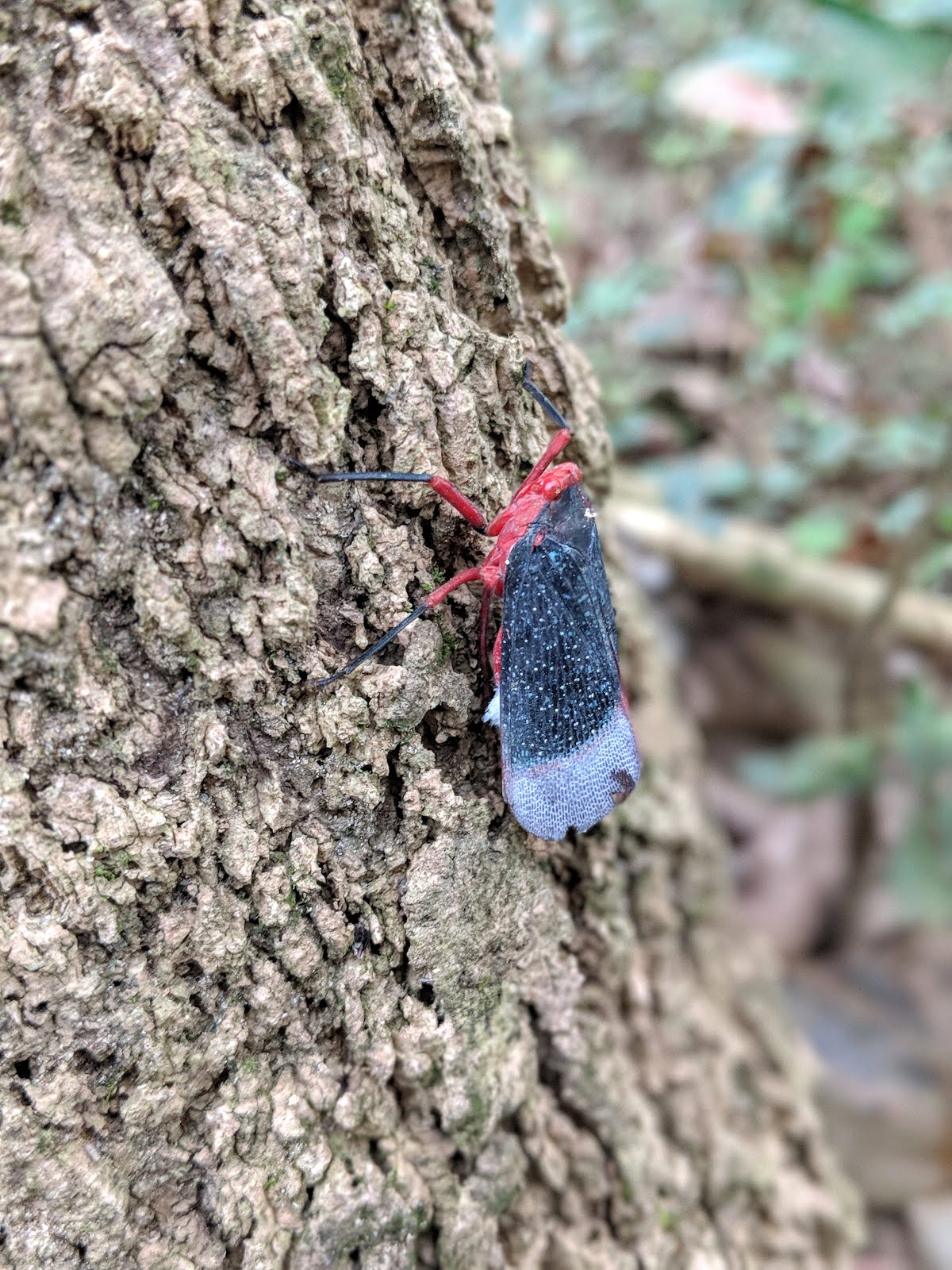
Beautiful insect seen on the birding trail of Thattekad Bird Sanctuary

India’s famous ornithologist, Dr Salim Ali, calls this place, the richest bird habitat in peninsular India. I say, this place is so much more! It is where nature weaves a web of magic across a 360 degree spectrum. I am talking about the small, but rich, Thattekad Bird Sanctuary, Kerala’s first bird sanctuary that is an evergreen low land forest located between the branches of the mighty Periyar river.

Entering the birding trail of Thattekad Bird Sanctuary, Kerala

A great day trip from Kochi and Munnar, Thattekad Bird Sanctuary, which is also fondly referred to as Dr Salim Ali bird sanctuary is perfect for nature lovers, insect lovers, plant lovers and of course for those who love the avifauna. Arrive here at 7 AM when the gates open and watch nature unfurl its magic in front of your eyes and ears.


Right from the shrill sound of the cicadas at dawn to the cacophony of the mynas, babblers, drongos, hornbills, cuckoos, parakeets and other birds that greet you straight after, this place is bound to awaken all your senses and may be even put them into overdrive. Once you start walking on the different trails inside the bird sanctuary, you will notice richness of life almost everywhere.

A colorful caterpillar and her young one

From caterpillars to dragon flies, butterflies and moths, from interesting plants to fungi and ferns and from over 284 species of birds to many mammals, amphibians and reptiles, all the trails inside the Thattekad bird sanctuary is filled with mother nature’s rich drama. To me, standing in the middle of nature’s cacophony and drama is the best way to forget the chaos of the fast paced world outside and be one with yourself and the nature that surrounds you.


Each side of the bird sanctuary is bound to astound you. Sometimes, the experience is so good that you lose your way and end up in the middle of nowhere. That is what happened to me and my friends. And which is why I would recommend that you opt for a forest guide or go with a good map.


A lot of people visiting this bird sanctuary come with a bucket list of birds to spot, see and photograph. Very high on this list is the Ceylon Frogmouth, a beautiful and rare bird found in this region. Most forest guides take you directly to the spot where the birds live and help you take your pictures. While this is great for photography, it does take away the whole charm of being one with mother nature where every new sight, smell and sound is a treat to your senses.

Dew Drops

It’s amazing location on the fringes of many forest ecosystems such as Chinnar, Sholayar, Paramabikulam, Eravikulam and others ensures that this belt supports diverse vegetation, which enables seasonal migration of birds. This means that as a bird lover, irrespective of time of year, you are never short of quality bird watching.


When visiting this place, opt for a good pair of binoculars and don’t be disappointed if you do not get a lot of quality bird photographs. The dense foliage and the tall trees ensures that lighting is always poor inside and the thicket ensures that you struggle to get good focus. Hence, just enjoy your walk on these birding trails and soak in the beauty of mother nature. This is one place that you should plan to visit on a holiday to Kochi or Munnar. It is an even better experience if you stay inside the bird sanctuary or in the nearby villages surrounding the Neriamangalam forest and by the Periyar river.

Continue Reading...

Tuesday, July 03, 2018

Baya Weaver Nests with Babies: Another Monsoon Magic in Mother Nature

Baya Weavers and their nests near Manchinebele Dam, Karnataka

Last Sunday, I was out on a relaxed morning motorcycle ride through the quieter and greener countryside roads of Karnataka. I was headed towards Savanadurga via the Dodda aladamara and Manchinebele dam route when I spotted this very appealing dirt track leading to the top of a nearby hill. The dirt track turned out to a dead end after a bit, but it led me to this tree by a small stream that had an active baya weaver colony with their famous well woven nests.


Video Note: Watch the video in 4K for best quality and for all the details. Shot on Google Pixel 2 XL Phone.

This weaver nest colony piqued the interest of the birdwatcher in me and off I went closer to them. I could see both the male (bright yellow) and female (Dull dirty yellow grey) species of this Baya Weaver bird busy fluttering in and out of their nests. But, I was kind of stupefied by the incessant tweeting and chirping of the birds and that’s when it suddenly struck me. The monsoon season is when the Baya weaver gives birth to her young ones and the chatter that I could hear near the tree were actually the little ones shouting for food or for their parent’s attention. The baya weaver birds kept going in and out of the nests. May be, they were feeding them or taking care of them.

A Baya Weaver Colony in rural Karnataka

These well engineering nests that are made of a combination of grains, clay, mud, twigs and leaves are a sight to behold and to actually see a full colony with birds fluttering in and out and the sound of the young weaver chicks is more than what I could have asked for. The birdwatcher and the nature lover in me definitely returned happy. If you like such birdwatching, keep an eye for their nests next to water sources on your next trip to rural India.

For those who wish to know, the Baya Weaver, is found all across the Indian subcontinent and their nests are found especially on thorny trees near water sources. They breed during the monsoons and it is the males who build these well engineered nests.

Continue Reading...

Sunday, February 22, 2015

Ranganathitu Bird Sanctuary: Nesting Colony on the Cauvery

Karnataka is one of those states in India that attracts a lot of birds. The pristine ecosystem of the Western Ghats, the tropical weather, the lush rainfall and the Cauvery river ensure that local and migratory birds make this state their home for a long time every year. Be it birds of paradise, large water fowl, raptors, fruit-eaters and many other species, Karnataka boasts of quite a big number.

Asian Openbill nesting colony at Ranganathitu Bird Sanctuary
A bird sanctuary that is located close to Bangalore and one that is active all year round is the Ranganathitu Bird Sanctuary. Located on an island on the river Cauvery and at a short distance from Srirangapatna, the Ranganathitu Bird Sanctuary is a great getaway for birdwatchers, adults and kids alike. It is known for birds like painted storks, spot billed and white pelicans, night herons, herons, harriers, kingfishers, fishing eagles, peacocks, spoon bills and many more. In all probability, you will see all of these birds throughout the year and especially during the cooler months.

Asian Spoonbill at Ranganathitu Bird Sanctuary
Due to its close proximity to Bangalore and the fact that it falls enroute to popular weekend getaways like Bandipur, Coorg, Wayanad and Ooty, it can either be explored as a short pit stop on your journey or as a day trip from Bangalore. Irrespective of your choice, the pristine location, the abundance of bird life and the cleanliness is bound to keep you captivated.

Young Marsh Crocodile basking on the banks of the Cauvery at the Ranganathitu Bird Sanctuary
All you have to do is carry your pair of binoculars, a keen eye and a bird book while visiting this bird sanctuary. There are two ways to explore this sanctuary. One is by foot that is along the banks of the river Cauvery and the other is by a boat on the river Cauvery itself.

Painted Stork at Ranganathitu Bird Sanctuary
Birds are most active during the early morning and the late afternoon hours. Thus, these become your top time slots in case you are interested in active bird watching. If you visit at 10 am, you might not see a whole lot of bird activity, but you will see a lot of marsh crocodiles basking in the early morning sun.

Beautiful Peacock at Ranganathitu Bird Sanctuary
The boat rides typically cost INR 350 per person or INR 1000 for a full boat. This is for a 40 minute long ride over the Cauvery and is in the company of a professional birding guide who is also your boatman. There is also a short ride available, but I would recommend the longer one for a more relaxed birdwatching session. The guides are good forest guides and are extremely knowledgeable in birds and are a storehouse of local information.

Black Crowned Night Heron at Ranganathitu Bird Sanctuary
If you are interested in seeing the birds build their nests, form nesting colonies or see young chicks being fed by their parents, the months from January to March would be your best time to visit this bird sanctuary. If you go in January, you will see frantic activity where all birds will collect twigs, straw and mud from all around the river and forest.

Green Bee-Eater at Ranganathitu Bird Sanctuary
In late January or early February, you will see the young cormorant chicks. Later in February and in March, you will see the young ones of painted storks and pelicans. Basically, these 3 months would be a bundle of frenzied activity and will offer a special birdwatching experience along with great photographic opportunities.

Marsh Harrier at Ranganthitu Bird Sanctuary
There are nice walkways, viewing towers and ponds prepared by the forest department to help the visitors enjoy the bird life at leisure. While the walkways and ponds are great to view birds like mynas, bee eaters, king fishers, robins, woodpeckers and other terrestrial birds, the viewing points are great to see the birds that are perched on the top of trees on the other bank of the Cauvery.

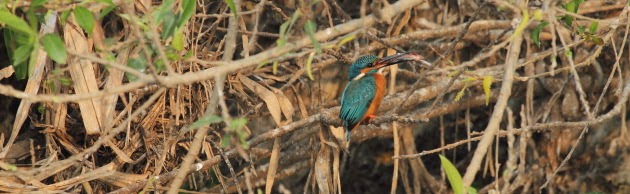
Small Blue Kingfisher at Ranganathitu Bird Sanctuary
If I remember right, the bird sanctuary is open from  8 AM  to 6 PM. However, if you are keen on birdwatching, you can request the forest officials to allow you in a bit earlier. At this time, there will be fewer tourists and the birds will be super active and it will be a super enjoyable experience.

Stork billed Kingfisher at Ranganathitu Bird Sanctuary
Entrance fees are INR 150 for an Indian national and INR 350 for a foreign national. I think, there are discounts for students and young kids. There is also a small canteen where you can grab a bite or a quick cup of coffee.

Pelicans in abundance at Ranganathitu Bird Sanctuary
Route
: From Bangalore, head to Srirangapatna. Once you have crossed the town and the Cauvery bridges, there will be a right turn on the highway that will connect you to the Coorg or Hunsur road. You will cross a railway crossing and shortly, you will notice an arch that says Ranganathitu Bird Sanctuary. It should be about 4 kms from Srirangapatna town.

Continue Reading...

Sunday, January 13, 2013

Chiang Saen Lake: A Scenic place where you can see winter birds

A lot of tourists visit Chiang Saen as part of their day tour from Chiang Rai or Chiang Mai to visit the Golden triangle. But, if you are planning in Chiang Saen, do not miss the opportunity to explore the very calm and serene Chiang Saen Lake that is located about 5 kilometers from the town.

Sunset over Chiang Saen Lake
The lake is pretty large and its underground vegetable matter and fish variety attracts a lot of migratory birds from the north. When I was there yesterday, I saw storks, ducks, teals, plovers, water-hens and more. There are not too many birds like some of the birding sanctuaries, but enough to pique your attention.

Chiang Saen Lake - A Birding Playground in winter
It is also a great place for capturing sunset from the lake’s level. On certain days, you might be the only person watching the sunset at this lake. When I was there yesterday, I just had 2 local photographers giving me company. If you feel like solitude, this is a place you have to visit if you are in the golden triangle belt of Thailand.

Continue Reading...
Logo Credits : Jobi T Chacko. UI/UX Credits : Murugan S Thirumalai
Copyright © 2009-2026 Sankara Subramanian C (www.beontheroad.com)
Reproduction without explicit permission is prohibited. All Rights Reserved

Join the Travel Club for FREE!!
and every fortnight get in your inbox...interesting experiential and off-beat travel stories , destination guides, handy tips (travel, photography and visa) based on personal experience, global vegetarian delights with helpful survival guides and gorgeous world travel images and videos as I (the Indian traveler) trot the globe! And a lot of other travel invites and soon to be launched goodies !

* indicates required
Close