Cultural Holidays - Be On The Road | Live your Travel Dream!
none

Thursday, June 13, 2019

Gotipua Dance of Odisha: Where boys dressed as girls perform with grace and acrobatics
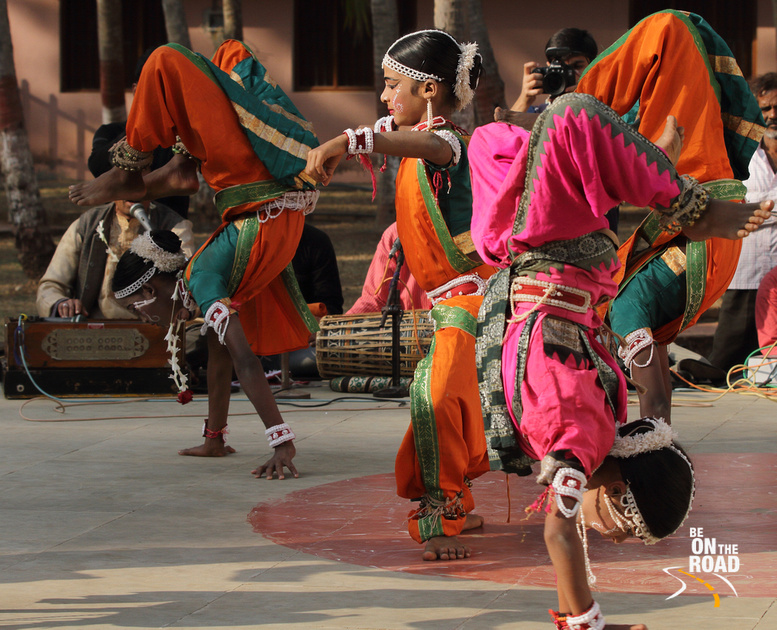
Goti Pua dance and its various positions

It is an ancient dance form from the state of Odisha. Some even consider it to be the precursor to the modern day Odissi classical dance. It is a combination of masculine and feminine elements. It is a combination of grace and strength. I am referring to the traditional Gotipua dance of Odisha.


Gotipua (which literally translates into single boy), is a dance form that is believed to have originated in the Puri Jagannath temple many centuries back and whose heritage is kept alive in the tiny village of Raghurajpur. It is a group dance where the dancers praise Lord Jagannath and Krishna by enacting different stories from the life of Radha and Krishna. Beautifully decked dancers perform these stories with graceful movements and a rich show of acrobatics.

Vibrant looking Goti Pua Dancers of Raghurajpur

This dance form is unique in many ways.

1) Young boys transform themselves into graceful feminine dancers for this dance

The acrobatic positions of the Goti Pua dancers

2) Their femininity transforms into grace and poise, while their inner masculinity transforms into strength, acrobatics and yogic mudras

3) And most of them stop dancing once they hit puberty

Boys dressed as girls during Goti Pua dance ceremony, Raghurajpur, Odisha

Sounds interesting right? Well, to understand its uniqueness, you have to understand a bit of its history.

History of Gotipua dance

Goti pua dance in action at Raghurajpur, Odisha

There are two prevalent theories when it comes to the history of Gotipua. One theory states that the Devadasi system gradually declined with the advent of the Mughals. The priests of the Puri Jagannath temple selected boys from poor families to dance for the deity and carry forward the legacy. The other theory is related to Chaitanya Mahaprabhu, the famous Bhakti saint, who wanted dance troupes to dance during the Rath Yatra. However, the temple priests declined his request citing menstruating devadasis would make the ceremony impure. So eventually young boys were chosen for this dance.

Lifecycle of Gotipua Dancers

The face of a Goti Pua dancer, Raghurajpur

Boys from poor families are chosen at a very young age (4 to 5 years old) and are taught the various nuances of this dance form under a guru. The parents agree for two reasons. One, they ae poor and two, they believe Gotipua is special and is reserved only for God’s children.

From the time they are enrolled into the dance school, these boys do not cut their hair and let it grow. They learn how to tie it into a knot and adorn their face with make-up, such as kajal, bindi and traditional paintings. They wear a traditional dress called Kanchula and nibibandha (a bright colored blouse and apron like silk cloth tied around the waist like a frill). Their palms and soles are anointed with a red liquid called Alta. And in addition, they wear necklaces, bracelets, armbands, nose rings, ear ornaments and others. Most of these are considered sacred.

Goti pua dance show by the boys of Raghurajpur, Odisha

They are then taught the entire repertoire of the Gotipua dance that includes the worship prayer (vandana), Sa ri ga ma dance, enactment of songs or ancient writings (Abhinaya) and acrobatic yogic postures (bandha Nrutya).

They keep learning, practicing and performing till they attain puberty or lose their boyish charms and grown into a man. And that is when they move into a different form of dance or they start grooming young Gotipua dancers themselves.

An inkling of a smile on the face of a young Goti Pua dancer

In a Gotipua dance performance, you get to feel the innocence of the child, the beautiful depiction of the Radha Krishna Leela through the various actions, the beauty, poise and grace of their outwardly feminine form and finally the sheer strength when they perform the stunning acrobatic stunts. All in all, this ancient dance form is as captivating as a modern one. And it is packed with a lot of energy too in addition to folklore, classical forms, music and mythology. A beautiful mix of art, emotion and storytelling that makes for a heady concoction. A must experience on a cultural trip to Odisha.

The acrobatic acts in the Goti Pua dance of Odisha

Where to experience this dance form in Odisha:

Most popular resorts showcase a Gotipua dance performance at their premises from time to time. And so do dance academies in Bhubaneshwar. But, if you wish to visit the roots and spend time with the actual dancers and the artisans, the heritage village of Raghurajpur would be your best bet.

A Goti Pua Dance Model

How to get here:

The nearest domestic and international airport would be Bhubaneshwar, which is about 60 kms away. Bhubaneshwar or Puri would be your nearest railway and bus stations. Puri is 15 kms away from Raghurajpur, while Bhubaneshwar is 60 kms away. You can opt for local buses, auto rickshaws, cab services or drive on your own.

One of the important steps in the Goti Pua dance

Best season to visit:

You can visit all year around, but it is prudent to avoid the hot summer months of March to June.

Raghurajpur Goti Pua Dancers in Monochrome

Where to stay here:

If simple rustic life is your thing, stay at any of the homes of the artisans in Raghurajpur.

If you need modern day comforts and luxury, opt to stay in Puri (about 15 kms away) or at Bhubaneshwar (about 60 kms away).

The grace and poise of these Goti Pua young boy dancers, Raghurajpur, Odisha

Nearby tourist attractions:

1) Heritage village of Raghurajpur known for its Pattachitra, Tadopatra and papier mache artisans

2) Pipili village known for its chandua artisans and their applique work

3) The UNESCO World Heritage site of Konark Sun Temple

4) Puri Jagannath temple, one of the char dhams and its beautiful beaches

5) Bhubaneshwar and its many intricate temples

6) The ancient cave temples at Udayagiri and Khandagiri

7) The historic Buddhist trail at Ratnagiri, Udayagiri and Lalitgiri
Continue Reading...

Monday, May 06, 2019

10 Dublin Experiences to help you further understand Irish Culture

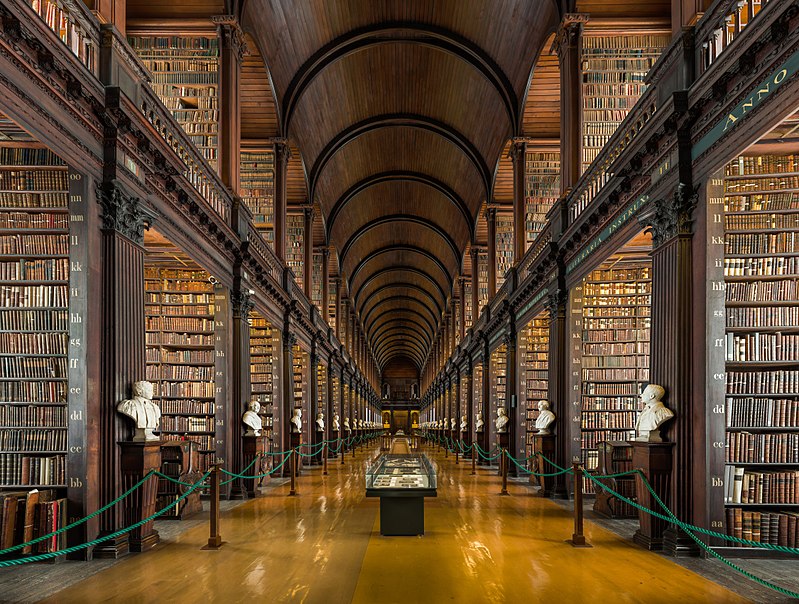
Long Room Interior - Trinity College, Dublin

We have looked at the ‘Best Countryside in Ireland’ in an earlier feature; now we’re taking a closer look at one of the oldest European settlements in the world. Located on the east coast of Ireland at the mouth of the River Liffey, Dublin is a global economic centre that retains its deep, traditional roots. So here are 10 ways to experience Irish culture in Dublin.

1. Catch a Rugby Game at the Aviva Stadium


Aviva Stadium - Dublin Arena

Rugby is a massive part of Ireland’s culture, and the biggest games are held in the 51,700-capacity Aviva Stadium. In 2017, the Aviva Stadium beat the Principality Stadium in Wales for the chance to host the inaugural Guinness Pro14 final match. "Dublin is a fantastic venue for rugby supporters who are used to coming here in the Six Nations," explained Pro14 chief Martin Anayi. If you get a chance, seeing the Irish national team play will open up a whole new side of Irish culture for you to witness first hand.

2. Dive Deep Into Irish Culture at the Trinity College Library


Trinity College - Long Room

The Library of Trinity College Dublin is a legal deposit or a “copyright library,” which means that Irish publishers are required to provide a copy of all published work here for free. Apart from the books, the library contains, journals, magazines, newspapers, maps, audio recordings, and artefacts that reveal the nation’s history. This includes 9th century king Brian Boru’s cláirseach, otherwise known as an early Irish medieval harp, which serves as a national symbol of Ireland. It is located in the impressive Long Room in the Old Library section.

3. Walk Into the Realm of the Leprechaun


Culture of Ireland - St. Patrick's day parade

The National Leprechaun Museum combines Irish history, mythology, and pop culture, and presents them in innovative and interactive ways. Travel beneath the Giant’s Causeway, experience Leprechaun-sized rooms, and interact with the enthusiastic guides of this strange, eerie world. Find out why modern global pop culture is rife with Leprechaun-inspired lore.

The Leprechaun is certainly been a very important part of Irish history. Live Science notes that from the eighth century legends of the luchorpán to the now classic movies Darby O'Gill and the Little People and Leprechaun, the mythical creature has been a popular de facto symbol of Ireland. So much so that they can be found everywhere promoting Irish culture. Even on platforms that are not directly connected to Ireland. Online, Slingo has an array of games based on the Leprechaun legend, including Irish Riches, Leprechaun Fortune, and Rainbow Riches, that all feature symbols and imagery closely associated with Ireland.

So engrained into Irish culture are the creatures, that even those who don't know the myths know that they are from Ireland. The best way though to trace the roots of these modern legends is back to the source with a visit to the National Leprechaun Museum.

4. Visit Dublin’s Curiously Nicknamed Statues and Monuments


The Spire of Dublin, Ireland

Dublin is obsessed with brandishing its public monuments with hilarious nicknames. Near Ha’penny Bridge, you’ll find two charming ladies that were erected in 1988 to represent the ordinary women of the city – now affectionately called “The Hags With the Bags”. Meanwhile, the epic Spire of Light that stands 120 metres over the former site of Nelson’s Pillar – an engineering marvel – is also referred to as “The Stiffy at the Liffey”. And that’s just the tip of the iceberg.

5. Go on the Ultimate Dublin Pub Crawl


Mulligans Pub, Dublin

For the classic experience of a cold pint of Guinness in an 1800s Irish pub, check out The Long Hall. If you’re looking for opulent luxury complete with chic, modern, and art deco fixtures, you’ll fare better at 9 Below. For a no-nonsense, modern Irish bar experience, go to The Bar With No Name and try out their refreshing selection of cocktails.

6. Recognize Dublin’s Standup Comedy Legacy


Irish Coffee

They say there’s no better way to get to know a culture than to find out what the people find funny. The stand-up comedy scene in Dublin has produced the likes of Alison Spittle, Conor O’Toole, Gearoid Farrelly, and many other notably stand-ups that keep the lively, local comedy culture alive. Get your dose of Dublin comedy at any one of the local comedy spots.

7. Listen to the Sounds of Dublin


Vicar street, Dublin

Some of the best musicians in the world make their home in Dublin. Cobblestone Pub is where you’ll find spontaneous performances of traditional and authentic Irish music. If you want a taste of local blues and jazz, head to J.J. Smyth’s. If you want to know what music is currently popular in the city, the 1,500-standing-capacity Vicar Street is a great place to catch a gig.

8. Drink In the Culture at the Guinness Storehouse


Guinness Storehouse, Dublin

Apart from being home to the top-floor Gravity Bar, whose panoramic views and ample supply of Guinness make it the perfect place to grab a pint, the Guinness Storehouse is also a repository of local history. This multimedia homage to the Guinness legacy is just a small part of the 26-hectare brewery, which produces around 2.5 million pints of stout on a daily basis.

9. Hike the Dublin Garden Trail


Gorgeous green spaces of Dublin

Want to know how Dubliners establish green spaces in their fairly hectic urban environment? The Independent points to the recently-established Dublin Garden Trail, and its 12 different gardens. This also includes the Ardán and its seven separate gardens, each aimed at capturing a different mood. There’s also Knockrose Garden set around whitewashed farm buildings. And if you’re looking for a big green area to get lost in, Tyrrelstown House’s 10 hectares of parkland – including 500-year-old walled gardens, as well as its own organic vegetable garden – should do the trick.

10. Cruise the River Liffey


River Liffey, Dublin, Ireland

Typical tours down the Liffey last 45 minutes to an hour. It’s a great way to see sights like O’Connell Bridge, Ha’penny Bridge, Liberty Hall, the 18th century Custom House, the Docklands and its Georgian Warehouses, and many other marvels of past and modern architecture.

Photo Courtesy: The photographs in this article have been borrowed from wikipedia.org under the creative commons license. Each photo has been linked to their host page on wikipedia.

Continue Reading...
Logo Credits : Jobi T Chacko. UI/UX Credits : Murugan S Thirumalai
Copyright © 2009-2026 Sankara Subramanian C (www.beontheroad.com)
Reproduction without explicit permission is prohibited. All Rights Reserved

Join the Travel Club for FREE!!
and every fortnight get in your inbox...interesting experiential and off-beat travel stories , destination guides, handy tips (travel, photography and visa) based on personal experience, global vegetarian delights with helpful survival guides and gorgeous world travel images and videos as I (the Indian traveler) trot the globe! And a lot of other travel invites and soon to be launched goodies !

* indicates required
Close